
Developer Douze Dixièmes • Publisher Focus Entertainment • Release January 20 • Reviewed On PC
They were dead: to begin with — stealing a line from Dickens. The beauty of Mio’s world is all the more heartbreaking because it, like the abyss of space all around, glitters with unhurried, unconcerned inevitability. Despite this, MIO: Memories in Orbit imbues its mechanized heroine with so much hope I believe I can change fate. Whether she does or not is up to the player, truly.
Beyond the compelling stage on which our journey takes place, the action of playing Mio is a pleasure. Its design will hopefully inform Soulslike Metroidvanias going forward. It’s frankly unfair to drop such a strong game of the year contender so early in 2026.

“Wake up,” insists the start button, and I open my eyes to a glorious abstract world of floating data and swirling musings. This space acts as a seamless introduction to both the controls and the game’s pensive atmosphere. Feeling the discombobulation through disrupting visuals, I’m shocked into a corporeal form that shoulders the weight of the world.
Discovering the depth of traversal is pure joy. Momentum and weightlessness dance around each other as I swing through a tangled metal maze. The glee comes to an abrupt end. Darkness flashes across the screen. My body jolts and collapses. The world shrinks in as all its colors fade away. One unit of health is stolen away from me forever.
But things soon stabilize as I shake off the effects — if not the confusion — of the moment. Then I’m back to exploring the gloriously drawn 2D-action plane. The wires crowning my head glow golden and bright as they flow behind my swiftly running form, like graceful wisps of hair. Soon, I find an object familiar in its mechanics, though new in appearance: a proverbial bonfire.

This version takes the form of embracing circitry. There’s something motherly and comforting as it draws around me. While healing me and reviving defeated enemies, this rest point also offers a place to change out my modifiers. Fans of Nine Sols will recognize this system as it allows me to equip various upgrades I find along my journey. The caveat is my programming can only “fit” so many upgrades, and some are bigger than others. So, it’s a study in strategy, figuring out which to select.
If I’m going into a boss fight, I unequip things that offer movement boosts or show my health UI in favor of serious damage. During the game’s often challenging exploration, I’m quick to cut off offensive options for upgrades that make healing free and reenergize me quickly.
While this mechanic takes inspiration from another title and makes it its own, there are several iterative innovations offered in Mio, which I hope other games quickly take up. The first of these is so simple, I don’t know how I’ve never seen it before. The “souls” of this game are called nacre. Not knowing the word off-hand, I looked it up and discovered it describes the iridescent coating on the inside of shells. And to go off topic for a moment, the substance’s animation is so visually striking that applying it remains one of my favorite actions in the game.

Collected nacre builds up as I cut through enemies, but like most Soulslike games, I lose my stash if I die. However, there are several crystallizing machines sprinkled through levels that turn the ephemeral nacre into consumable items, which don’t disappear until I spend them at the shop. It’s genius. I can take so many more risks, push forward to more discoveries, and even take on a serious fight without needing to return all the way back to my last rest point.
Of course, the game’s impeccable level design often means triumphing over a boss or obstacle pathway opens up a mind-bending shortcut that somehow leads straight back to earlier areas. This isn’t new, but the way the map works is.
I so deeply appreciate the way the developers have managed to give me a map to follow while also leaving space for pure exploration. As I discover new areas, I’m blind. I have no indication of where the winding branches might lead or what treasure I might find. However, as soon as I sit down to rest, my protective overseer automatically fills in the map where I have been — missed branches and all.

Now, if I go back to that area, I know where hidden secrets might be lurking, and I won’t get lost trying to remember the way to one area or another. Again, it’s simple but brilliant. As is the fast travel system, which connects any rest area with an overseer to the others.
The last of these innovations I found in the menus. Mio comes with a helpful array of assist options, some that help with healing, some that stop rank-and-file hostiles from attacking, but the last one is a gift to the genre. It weakens a boss every time you die in the fight against it. I threw this option on in the late game to see how it worked, and loved it so much that I never turned it back off.
Like in most Soulslike games, you should expect to die several times in a boss battle. Repeating it over and over helps hone your skills, informs which upgrades to switch to, and how to read oncoming attacks. If a boss is too strong in Mio, there’s almost always more to discover elsewhere that allows you to grow stronger before taking them on again.

Despite that, there are always bosses in these types of games that feel to me like I’m hitting my head against a wall. With Eroded Bosses turned on, every time I die, the boss becomes a little more brittle. It’s like my every encounter with it wears it down over time in a way that makes in-game sense.
This option doesn’t make the boss slower. It doesn’t transform the fight into a farce. It slowly chips away at the opponent’s protection, making every hit and every death more impactful. It tips the scales in the players’ favor so slightly, but accomplishes something big. It gives me hope when I might feel like it’s hopeless. The power of that hope for bringing in new players who would otherwise miss out on this title is enormous.

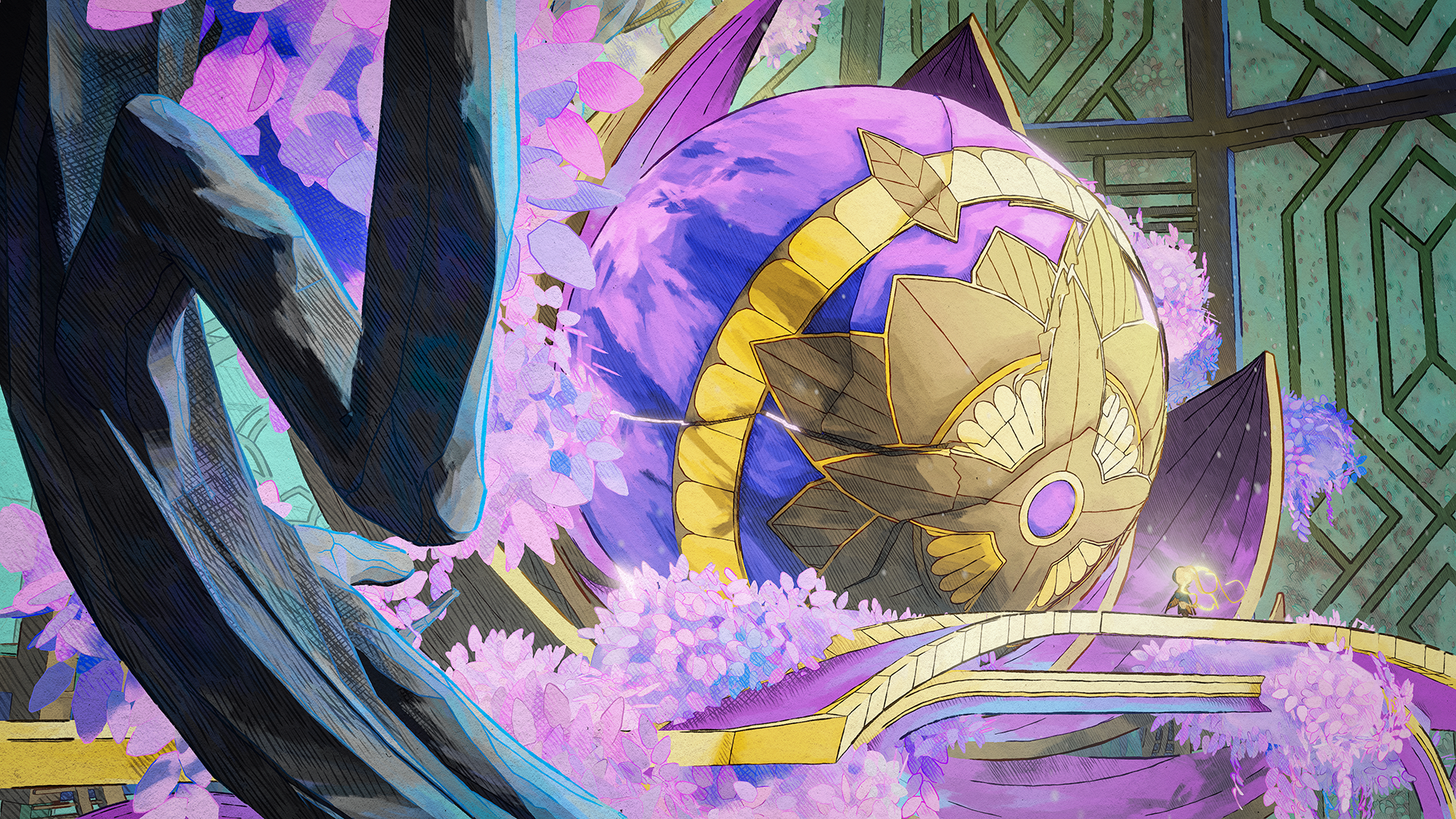
From the gleaming towers of the city to the vibrantly lush trails in the garden, I gleefully sailed and fought my way through MIO: Memories in Orbit. Its stunning art style perfectly offsets the tragic narrative. I found it so hard to put down and became so invested in the world’s fate that I couldn’t accept its death. Instead, I searched for an option the game graciously offered for my persistence. Though either way, the conclusion is pierced with hope and sadness.
I recommend this game to:
- Anyone looking to get into the genre
- Metroidvania fans
- Those who delight in petting a dog
- Art enthusiasts
- Players ready to fight for Rad’s hat
- Secret searchers
- Players who enjoy pensive narratives
- Fans of fluid traversal
- Those looking for a friendly twist in the Souls formula
- Anyone who believes they can change their fate
Leave a Reply