
Developer inkle Ltd • Publisher inkle Ltd • Release January 21, 2025 • Played On PC
TR-49 gets the “video game mystery” correct. It can be difficult for a game to instill a real sense of intrigue because if the game’s mystery is too vague, then the countless clues you uncover can feel aimless and frustrating. If the game holds your hand too much, then you’ll likely solve the mystery quicker than the characters in the story, leading to an unsatisfying experience. Luckily, TR-49 walks that fine line with grace. Even though it occasionally takes a step into both sides, it’s a worthy entry in the narrative deduction genre.

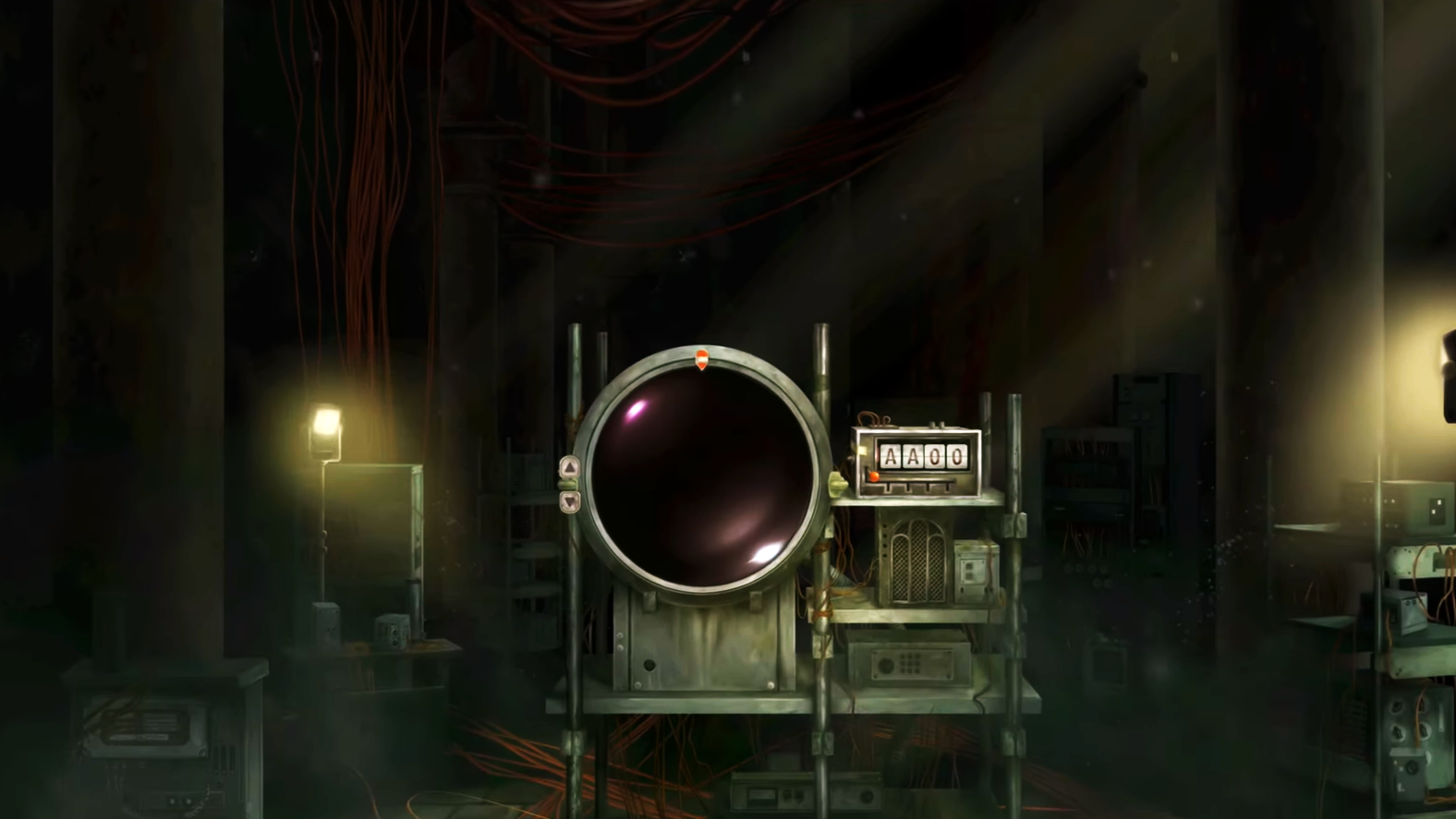
TR-49 is simple enough: it has you paging through a computer of sorts from World War II. It’s been fed an archive of books and journals written by various authors over the course of several decades. The books, however, don’t have titles associated with them, so it’s your job to read the notes left by the handful of people who curated the archive and try to figure out which database entry code is connected to which book title.
There are 50 books you need to organize, but while that might sound relatively simple on the surface, the game requires you to do a lot of deductive reasoning to match the titles with their codes. Very rarely does one of the archive curators directly reference the name of the book that they’re leaving notes on, so you have to piece together bits of information about the authors, content of the books, and publishers from the small, often vague entries. On top of that, you have to decode the computer’s filing system that gives every entry a numerical and alphabetical code.
That creates an excellent sense of cohesion between TR-49’s narrative and its puzzle mechanics. You’re required to read carefully as you piece the various narrative threads together, which results in you asking questions that start to dig deeper. Who are the curators of the machine? Who is the player character, and why are they searching the machine? Why did the curator’s daughter leave? What are the motivations of the groups that published the taboo writings that ended up inside the machine? Why did other groups oppose them?
Seamlessly merging narrative and mechanics is the sign of masterful game design, a badge of honor that TR-49 proudly wears from its first moments. That said, because the game’s puzzles require thinking outside the box with increasing frequency as the game goes on, when you inevitably get stumped, you start looking for help outside of the intended path. For example, I figured out a way to tell if I’m correct about matching a book title to its input code without knowing for certain, based on the way the game reacts when I match the two. It’s not a way to instantly complete every puzzle in the game, and I tried my best to stay away from the shortcut; however, there were some puzzles I decided not to fully commit to as a result of the game’s difficulty.

Around the time that I discovered the shortcut was when I started feeling a little aimless with the puzzle pieces I was given. This can be a common pitfall for narrative deduction games since the momentum of the story can struggle if you get stumped. However, TR-49 has an interesting system to help avoid that. When you discover new entries in the machine, the text in them is often scrambled until you can properly log them, and then they can be read clearly. As you make progress, the game starts to scramble older, less relevant entries that might do nothing other than distract you and have you pulling on the wrong threads.
At first, I found the scrambling frustrating. I felt like important information was being obscured, especially since TR-49 doesn’t explain the scrambling at all, and it just appears. However, it pushed me to start looking over the pages I could read more carefully, which is when the momentum shifted, and I started making new connections again.

There’s a lot to love about TR-49. The best thing about it is that, if you can make sense of its codes and intentionally vague narrative, you walk away from each session feeling intelligent. Even when you’re completely stumped, the game insists you trust in yourself. It asserts you already have everything you need as long as you’re reading and thinking. You curse the game out and swear there’s something it’s not telling you… until that final piece comes into focus, you put together the puzzle you’ve been stuck on, and you realize that the game was right all along.

Leave a Reply